Showing posts with label my info. Show all posts

EATING PLEASURE and ENJOY THE GOURMENT IN KUMAMOTO

Kumamoto Ramen
A special character of this ramen is its thick soup made from the boiled bones of pigs and chikens, and fat Chinese noodles. Many specialized ramen can be found in kumamoto town, each of which has developed its own unique taste.


Higo Beef
Higo Beef comes from Japanese brown cows raised in Kumamoto. The brown cows graze on the tender grass of the plains of Aso from early summer to auntum. This particular beef is now recognized as a low-fat, healthy meat.

Kuma Shochu
Japanese spirits distilled from good quality rice using crystalline underground water of Kuma River. The drink boasts a peculiar flavor and taste, excellent body that doesn’t leave behind the bad effects often associated with drinking.

Karashi Renkon
Lightly fried lotus root stuffed with spicy mustard. The characteristic crips and pugent tastes assail one’s nose as you prepare to dine on this delicacy.

Basashi Marbled horse meat eaten by dipping it in soy sauce mixed with ginger or garlic. Often so tender. It melts on your tongue.


Taipi-en
A dish that can only be found in Kumamoto. This bean-starch vermicelli dish uses a stock made by boiling chicken bones. It’s slightly seasoned, chock full of different ingredients, healthy and liked by many.


Product of the district

Higo Zogan
A craft peculiar to Kumamoto with a 400 year tradition. Various patterns are achieved by striking gold and silver into an iron plate. Pendants and tie-pins are popular items.

Kutami Uchiwa
Fans made of Japanese paper and covered with persimmon varnish retaining an air of the past. Their gracious color are unique in the Kutami Uchiwa.

Ceramic Art Articles
Numerous kilns in Kumamoto, such as Kodayaki and Shodaiyaki have a long cherished history of producing fine ceramic art pieces. They were financially supported by the Hosokawa clan.

Hanatebako

A typical hand-painted box made in the Hitoyoshi district. Depicting a stylized camellia motif.

Yamaga Toro
A traditional object of craft-work produced in YAmaga, a lantern made out of Japanese paper which has been hand-filtered and glue without using wood or metal pieces.
Entertainment in Japan

Sports

Sports of all kinds enjoy great popularity in Japan. And, in its various martial arts, Japan has contributed several major sports to the world at large.

Traditional Sports

Among home-grown sports, none represents Japan’s national feeling as much as Sumo, a form of wrestling which originally was practiced during festivals and on holy days at Shinto shrines. Consisting of a single hard-packed dirt ring in which two-often enormous –men meet, a Sumo match is won when one wrestler forces the other from the ring or to the ground. Sumo involves intricate rules and an entire vocabulary of holds, thrusts and strategies that its devotees delight in debating.

Judo is a martial art of self defense which was born in Japan and now enjoys popularity among devotees internationally. Based on principles of leverage and using an opponent’s strength to one’s own advantage, Judo is now an Olympic medal event. The Kodokan training center in Tokyo is a good place to see Judo pupils training, as well as occasional exhibition bouts by experts.

Kendo is a form of fencing in which opponents clad in heavy cotton padding and lacquered armor assail one another with bamboo swords. The Nippon Budokan Hall in Tokyo is the best place to observe Kendo.

Karate, a form of weaponless combat , was developed by Okinawan peasants whom their mainland rulers forbade from carrying arms. Trained in the concentration of energy into blow of the hand or foot, a Karate expert can break through a thick stack of bricks or wood with a single stroke. Go to the Japan Karate Association in Tokyo to watch trainess and experts alike practice.

Aikido is another martial art based on concentrating one’s energy, as well as taking advantage of an opponent’ s strenght. Aikido is especially valued among its followers as a way of maintaining and increasing physical fitness. The Aikikai is an Aikido center in Tokyo.

Japanese archery, Kyudo, is considered bto be as much for individual spiritual refinement and the development of concentration as it is for competition. Long associated with he principles of Zen Buddhism, archery contests can sometimes be viewed temples.

Contemporary Sports

Baseball is so popular in Japan that many fans are surprised to hear that Americans also consider it their “national sport.”Especially popular are the national level spring and summer tournaments among senior high-school teams. Schools, champions representing their respective prefectures, gather at the Koshien Stadium in Hyogo prefecture and vie for victory. Almost everyone from aroound Japan becomes near fanatical in support of the teams from heir respective birthplaces. Professional baseball is well developed, with twelve teams being sponsored by major corporations. In Tokyo , the most favored place to see a game is the Tokyo Dome Stadium located in the grounds of Korakuen Amusement Park. Cheering for your favorite professional baseball team is a unique and powerful activity, using trumpets, drums and other noise-making instruments.

Soccer is a sport which is now a focus of explosive popularity among children and young people in Japan.

Skiing is a big in Japan, with millions of skiers flocking to the major resorts in the mountains of Honshu and Hokkaido. The nation’s ski resorts are very well developed, and compare favorably with the top regions of Europe, the U.S. and Canada.

Recently, the number of ski grounds that also cater to snowboarding is increasing as the sport gains in popularity especially among young people.

Skating is available indoor rinks in the major cities, as well as at excellent outdoor facilities in the wintertime in the north and Hokkaido.

Shopping

In a country that manufactures a large percentage of the entire world’s consumer goods, and that structures its entire national existence around the marketplace, it is no surprise that shopping takes up a goodly proportion of most visitors time. The Japanese themselves love shopping, and look upon a visit to the big departement stores in the major cities as recreation. The stores encourage this by offering child-care services, giving away free food samples in their grocery markets and delicatessens, holding art shows and demonstrating native and foreign crafts.

DAILY LIFE IN JAPAN

DAILY LIFE

Life in Japan has changed dramatically after WWII, becoming more westernized. It is blending of Japanese and western elements, in the areas of food, clothing and housing. Taking food for example, people may eat tempura one day and a hamburger or Chinese noodles on the next day.

Housing
Most residences in pre-war Japan were wooden structures with tiled roofs, and virtually all the rooms had tatami mats on the floor. Residential structures today commonly have western-style rooms with wooden floors and, in urban areas, many people live in high-rise multiple-family dwellings.

Food
Rice is the staple food in Japan and choppsticks are commonly used. Wellknown Japanese dishes include sushi,tempura and soba noodles. Japanese cuisine today offers a broad variety of dishes besides the more traditional fare, incorporating elements from Asia. Europe and North America into the daily diet.

Education
Every Japanese child receives 9 years of compulsory education 6 years of elementary scholl and 3 years of middle school. 97 % of all Japanese further go to high school (3 years) 49% of the high school graduates advance on o higher education at universities and junior colleges. The school year begins in April.

Seasonal Pleasures
Japan has four clearly distict seasons and a rich abundance of seasonal leisure activities. In spring, people gather for parties under cherry trees in full bloom while summer is a time for festivals and fireworks displays. People in yukata (informal kimono) dance to bonodori songs while tasting a variety of snacks at outdoor food stalls. People go hiking in mountains in auntum to view multicolored auntum leaves. Winter brings bustling activity to ski resorts in the country’s snow belt.

Festival and Events of the Four Seasons 3

WINTER – Season of snowy pleasure

Except for the extreme nort, winter in Japan is not overly severe, and is usually tempered by warm sushine and blue skies.

On the orther hand, in the northern regions, various festivals related to snow and ice are held. Tourists and residents alike enjoy huge snow and ice sculptures and participate in the season’s rural customs and events.

Numerous events and fairs also take place throughout Japan in connection with the New Year season, which is the most important annual day for the Japanese.


Festivals and Events

December 15-18 On-matsuri of Kasuga Shrine in Nara, featuring a masquerade procession.

December 17-19 Hagoita-ichi (Battledore fair) of Asakusa Kannon Temple in Tokyo.

December 31 Okera Mairi of Yasaka Shrine in Kyoto. Sacred fire ceremony.

December 31 Namahage in Oga Peninsula, Akita pref. Men disguised as devils make door-to-door calls to houses with children.

January 1 New Year’s Day. From the first to third, almost all companies, factories and businesses are closed. Families celebrate the New Year enjoying special dishes, wearing their best kimono or dress, and visiting shrines and temples to pray foor good health and happiness for the year.

January 6 Dezomeshiki or the New Year’s Parade of Firemen in Tokyo with acrobatic stunts on top of tall ladders.

Mid-January (for 15 days) first Sumo Tournament, Tokyo.

Day before Coming-of-Age Day Grass Fire Ceremony on Mt. Wakakusayama, Nara.

Early February for 7 days Snow Festival in Sapporo, Hokkaido. The most famous snow festival in Japan with many huge, elaborate snow and ice sculptures.

Early or Mid-February Snow Festivals in Asahikawa, Abashiri and other cities in Hokkaido.

February 3 or 4 Setsubun or Bean-Throwing Festival is observed at leading temples across the country.

February 3 or 4 Latern Festival of Kasuga Shrine, Nara.

February 16-17 Bonden Festival in Yokote, Akita. Dozens of Bonten, symbol of the God of Creativity, are carried by young men.

February 15-16 Kamakura Matsuri in Yokote, Akita. Snow houses enshrining the God of Water are erected

3rd Sat. of February Eyo or Hakada Matsuri (naked festival) at Saidaiji Temple, Okayama.


NATIONAL HOLIDAYS

January 1 New Year’s Day

2nd Monday in January Coming-of-Age Day

February 11 National Foundation Day

March 21 (or 20) Vernal Equinox Day

April 29 Greenery Day

May 3 Constitution Memorial Day

May 5 Children’s Day

3rd Monday in July Maritime Day

3rd Monday in September Respect-for-the-Aged Day

September 23 (or 24) Auntumnal Equinox Day

2nd Monday in October Health-Sports Day

November 3 Culture Day

November 23 Labor Thanksgiving Day

December 23 The Emperor’s Birthday

Note :

(1) When a national holiday falls on Sunday, the following Monday becomes a holiday.

(2) When a day (except for Sundays and the above) is sandwiched between national holidays, it also becomes a holiday. This rule is applicable on the 4th of May.

Tokyo’s 4 Distinct Seasons

Japan has four distinc sesons :spring,summer,auntum and winter. Even in Tokyo where everything is so urbanized, seasonal festivals and events add color to peoples’ lives. Why don’t you join in as well and feel the seasons here in Tokyo?

Cherry Blossoms in the Spring
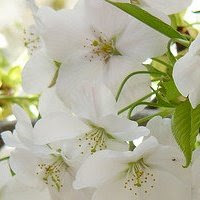
Takoasan-Daihiwatari-sai (The Grand Hi-Watari (fire crossing) Festival of Mt. Takao) is held annually on the second Sunday of March. In it people walk accross fire barefeet, as an act of discipline. Toward the end of March, in the cherry blossoms start to bloom. There are many famous locations for cherry blossom viewing in Tokyo such as Chidorigafuchi and Sumidagawa River. The Sakura Matsuri (Cherry Blossom Festival) is held in Ueno Park and many other places. In May, Kurayami Matsuri (a festival in the dark) is held at Ookunitamajinja Shrine in Fuchu. The float leaving the shrine in the evening on May 5 is famous. In mid May, there is the Kanda Matsuri of Kanda Myojin Shrine and the Sanja Matsuri of Asakusajinja Shrine theat recreate the atmosphere of old Edo for the festival-loving Edo natives.

Fireworks in the Summer

From early July, the Asagao-ichi (morning glory fair) is held in Iriya and many other places. From late July, firework festivals are held everywhere including around the Sumidagawa River and in Jingu-Gaien. In particular, the Tokyo Bay Grand Fiework Festival is a major summer event. The Fukugawa Hachiman Matsuri of Tamioka Hachiman Shrine is also known as the Mizukake Matsuri (festival of water-splashing) because the audience splashes water into the float carriers. The Asakusa Samba Carnival decorates the end of August. Authentic dancers are invited from Brazil to perform at the end of August.

Autumn Leaves

In late September, Ikebukuro becomes a hot spot for festivals. Fukuro Matsuri offers various performances such as dancing, music and giant floats. Ikegami Honmonji Temple’s Oeshiki (Buddhist ceremony) displays 100 sets of spectacular Mando (lanterns). Kibano-Kakunori (log rolling stunts in Kiba) in mid October is a performance by raftsmen hopping on floating timber using just tobiguchi (firefighting spear points) and is designated as an Intangible Cultural Heritage by the Tokyo Metropolitan goverment. On November 3, Tokyo Jidai Matsuri (historical parade) displays picture scrolls dating back to the temple’s foundation in the vicinity of Sensoji Temple. On the day of the Tori (Rooster) of the Chinese calender in mid November, Torino-ichi (open-air market) is held in different places, in which Kumade (bamboo-rakes) are popular as good luck symbols for business success.

Winter’s Night View

On December 14, the Gishi-sai (loyal Retainer Festival) is held at different locations such as Honjo Matsuzaka-Cho Park, which used to be part of Lord Kira’s mansion, and Sengakuji Temple, home to the graves of the loyal 47. From December 17-19, Hagoita-ichi (Ornamental Battledore Fair) is held at Sensoji Temple, In addition to ordinary decoration battledores,artistic battledores like Fujimusume dolls, Samurai named Benkei and battledores representing contemporary topics are displayed for sale. Recomendations for Oshogatu (New Year) re New Year Grand Kabuki and New Year Grand Sumo at Kokugikan stadium. In January, the Izu Oshima Island is known for Ume blossoms (Japanese plum) and there are many Ume festivals in the Tokyo area such as the one in the Yushima Tenmangu shrine in February and another at Yoshino Umeseto in Ohme.

Flower World Hokkaido Part 3

SPRING 春 (Haru)

Feels the workings of nature

The sun waxes warmer day by day, bringing the long cold winter to an end and ushering in the long-awaited spring. Skunk cabbages bloom front moves northward. Moss phlox, tulip and narcissus vie to outdo each other. Spring is a season for floral activities.

Cherry Blossom Tea

Traditionally the Japanese enjoy “cherry blossom tea” at celebrations suchas a wedding or an engagement, and also it’s an ideal drink for a cherry blossom viewing party, too. This elegan tea is made by pouring hot water over fragrant cherry blossoms, which are collected just before their peak of bloom, salted, then stored in the dark for a few months.

Cherry blossom desserts

Cherry-colored bean jam, buns with a cherry jam filling, and dishes made from or named after cherries are popular as souvenirs at famous cherry blossom sights. It’s easy to make spring desserts using salted chery blossoms. To make a cherry blossom-flavored jelly, for example, rinse the salt from the blossoms and leave them to soak. Add sugar, and jell it with agar or other gelatin.

Dandelion Tea

A dandelion root, rich in vitamins and minerals, has been used as a Chinese medicinal herb and has recently gained attention for in use in herbal tea. Dandelion tea and dandelion coffee are non-caffeinated and are said to be affective as diuretics and digestants.

Spring Floral itineraries


  1. Flower and History

The Yokozuna-no-sato Fukushima Roadside Station

At this rest area , a shop sells dried squid and kelp, Fukushima’s best outputs in the nation. The town is also known as the home as the home of popular sumo grand champions, Chiyonoyama and chiyonofuji. “Yokozuna Sumo Memorial Hall” is right next to the station.

Cherry blossom in Matsumae Park

Ten thousand cherry trees of 20 species outdo each other in Matsumae Park, Matsumae, a town known as “the Kyoto of the North.” Close to the park is a garden with many kinds of cherry trees and a reference library displaying cherry-related materials, which makes the site an ideal walking course.

  1. Flowers and Springs

Cherry blossoms by Lake Toya

Lake Toya, a doughnut-shaped caldera lake, straddles the border between the towns of Tayako and Sobetsu. Viewing cherry blossoms along its shore, you can feel spring in the air. You can also enjoy 58 sculptures together with the cherry blossoms in “Toyako Gurutto Sculpture” which surrounds the lake.

The Nishiyama craters of Mt. Usu

A promenade was installed at the site of the March 2003 eruption, allowing visitors to see the craters up close. Feel the pulse of the Earth!

  1. Flowers and Thoroughbreds

Niikapu Thoroughbred Road Roadside Station

At this res area in Hikada, the heartland of thoroughbreds, a shop sells horserelated goods-ideals for souvenirs. Niikappu Re Cord Museum, which has a collection of 600 thousands phonographs records, adjoins the Stations.

Mukawa Tanpopo Park

One of largest dandelion communities in Japan is found on the banks of the Mukawa River, which runs through the town.

  1. Flower and Walking

Mos phlox in Kutchan

Pink moss phlox blooms from late May to early June on the hills of Asahigaoka Park, which affords views of Mt. Yotei

Lilacs at Odori Park, Sapporo

Four hundred lilac trees have been planted in Odori Park. They boast aromatic flowers of white, purple and pink in late May, when the lilac festivals drws many visitors.

  1. Flower and Lakes

Lake Saroma

Lake saroma, the largest lake in Hokkaido, is encircled with a boardwalk, which enables you to view wildflowers up cose. The breathtaking sunset on the lake is worthwhile i you have the time.

Moss phlox in Takinoue

A pink carpet of moss phlox covers the hills in Takinoue Park, spreading an awesome 100.000 m. He flowers bloom for a whole month.

Flower World Hokkaido Part 2

SUMMER 夏 (Natsu)
Savor the fragrances borne on fresh breezes.
In this vast verdant land, fresh breezes tell us that summer has arrived. Flowers of all kinds bloom in unison, as if reveling in the short summer. A wealth of floral destinations await sightseers: large sunflower gardens, herb gardens, and of course the nationally famous lavender gardens. Enjoy flower gardens that highlight Hokkaido’s awesome vistas.

Shobu-yu (a bath with calamus leaves)
Herbal baths have become popular for their relaxing effects. Among these is the traditional Japanese shobuyu bath. To make it, dry calamus leaves thoroughly and put them in a gauze bag before use. The bath will improve your circulation.
Rose Jam
Essence of rose has been said to keep the skin beautiful by improving digestion and removing active oxygen, which has been linked to aging of the skin and capillaries and to various diseases. For beauty and health, try some rose jam and aromatic tea made from rose petals.
Sunflower seed tea
Sunflower seeds ae a healthy food that contains a balance of vitamins and minerals, including vitamins B1,B2,E, iron and linoleic acid, which protects against arteriosclerosis by reducing cholesterol. They’re perfect for snack, salad, and homemade bread. Sunflower oil is popular product.

Summer Floral Itineraries
1. Flowers and Hot Springs

Northern Horse Park
Approximately 100 horses are kept in this spacious park, where stable tours, horseback riding and horse-drawn carriage rides are offered. Visitors can also enjoy pottery and sports, such as park golf, archery and cycling.
Tropical dome at Kirin Beer Park Chitose
This greenhouse boats a collection of unique plants from the tropics and subtropics. It’s worth
visiting for its 6,000 orchids of 800 species from around the world.
2. Flowers and Culture
Miyama Pass
Miyama Pass affords a splendid picturesque view and the far-flung Tokachi Mountains. You’ll find a scenic overlook, a photo gallery and rest house in the garden. It’s an ideal place for drivers to stop for a break.

Miura Ayako Literature Museum
This museum exhibits literary materials related to Ayako Miura, whose important works are “Hyoten” and “Shiokari Pass.” It stands in the arboretum that appeard in the novel “Hyoten”

3. Flowers and Arts
The Hanakku flower clock at Tokachiga-oka Park
Tokachigaoka Park is near Tokachigawa Spa, known for water that is rich in minerals absorbed from vegetation. Green grass surrounds Hanakku, flowers planted in the shape of a clock. It is 18m in diameter and has a second hand measuring 10.10 m in lenght.
Nakasatsunai Art Village
Three museums, Aihara Kyuichiro Museum of Art, Koizumi Junsaku Museum of Art and Kita-no-Daichi Museum of Art, stand in a primeval forest of juniper. A restaurant and a shop are housed in a separate building.
4. Flowers and Soba-Making
Takino Suzuran Hillside Park
There are many gardening tips at the Park’s Country Garden, where 700 species of flower are planted. The park is also known for its super auto camping facilities.

The Flowers in Hokuryu
Hokuryu prides itself on having the largest sunflower fields in Japan. A sprawling sunflower maze lies in Himawari-no-sato. Dishes made using sunflower seeds are served are served at a restaurant in the Sunflower Hokuryu Roadside Station.
5. Alpine Plants and Islands
Otamodari Marsh on Rishiri Island
One of the main sightseeing spots on the island blessed with awesome natural beauty. A shop is open in summer for the convenience of sightseers.
Momoiwa Observatory on Rebun Island
The flower garden around Momoiwa Scenic Overlook has been designated as a natural monument. A path has been made through the garden.